
What Are the Challenges of Truck Driving?
What Are the Challenges of Truck Driving? Truck driving is a tough job.
It keeps our world moving. But it comes with many big challenges. Every truck driver faces them daily. These challenges affect their health, mind, and family life. In this article, we will talk about the real challenges of truck driving. We will look at the physical, mental, and on-the-road issues. Knowing these challenges is the first step to handling them. It helps drivers stay safe and healthy. It also helps the public understand this vital job. Let’s dive in.
The Physical Toll of Life on the Road
Truck driving is hard on the body. You sit for very long hours. This can cause back pain and poor blood flow. It is a major health risk. The cabin is your office and home for weeks. It has limited space. You cannot stretch easily. This leads to muscle stiffness and joint pain. Many truck drivers struggle with sleep. Finding a good, safe spot to park for the night is not easy. Sleeping in a moving cabin is not deep sleep. This causes tiredness. It is called fatigue. Fatigue is a serious danger in truck driving. It can slow your reactions. Healthy food is another big challenge. On the road, options are often fast food or truck stop meals. These are high in salt, fat, and calories. It is hard to keep a balanced diet. This can lead to weight gain and other health problems over time.
The Mental and Emotional Struggle
The mental side of truck driving is just as tough. Loneliness is a huge factor. You are away from family and friends for long periods. You might drive for days without a real conversation. This isolation can hurt your mental health. It can lead to feelings of sadness or stress. The job itself is stressful. You have tight deadlines. This is called the “clock” or Hours of Service. You must deal with bad traffic. You face aggressive drivers. All this builds up pressure. Truck driving also means long periods of high focus. You must watch the road, mirrors, and blind spots constantly. This mental load is exhausting. Many drivers feel the pressure to “push through” when tired. This is not safe. Fighting boredom on long, straight roads is another issue. It can make you less alert.
Navigating Regulations and Weather
Professional truck driving is ruled by many laws. You must follow strict Hours of Service (HOS) rules. These rules limit your driving time. They are for safety. But they can also make trip planning very complex. You need to find safe parking before your time runs out. This adds stress. Paperwork is a constant part of the job. You have logs, bills, and inspection reports. Making a mistake can mean fines. Weather is a challenge you cannot control. Truck driving in heavy rain is dangerous. Snow and ice make roads slippery. High winds can tip a big rig over. Fog cuts visibility to zero. You have to make smart choices. Do you stop and lose time? Or do you drive slowly and carefully? It is a tough call every time.
The Demands of the Road and Other Drivers
The road conditions are a daily test. City driving means tight spaces and many pedestrians. It is stressful. Mountain roads have steep grades and sharp curves. They test your skills and your truck’s brakes. Road construction zones are everywhere. They cause delays and need extra caution. Then there are other drivers. Many car drivers do not understand how trucks work. They cut in front of you. They stop suddenly. They linger in your blind spots. This makes truck driving much more dangerous. You have to predict other people’s mistakes. You are responsible for a huge vehicle. Its stopping distance is much longer than a car’s. You always have to think ahead.
Balancing Work and Personal Life
This is one of the biggest hidden challenges of truck driving. Life does not stop when you are on the road. You miss family birthdays. You miss school events. You are not home for dinners. This strain can hurt relationships. Staying connected takes real effort. You need to call and video chat often. But it is not the same as being there. For long-haul truck driving, home time is precious. But it is often short. You spend part of it just recovering from the road. Then you have to leave again. Finding a good balance is very hard. Many drivers leave the industry because of this.
How Can Technology Help with Safety?
Facing these truck driving challenges needs good strategies. Planning is key. So is a support network. But today, technology also offers powerful help. Especially for the number one challenge: safety. How do you see a hazard in total darkness? How do you spot a deer in dense fog? What if a person steps onto the road on a rainy night? Your headlights are not enough. This is where advanced vision systems make a huge difference. Imagine having a tool that lets you see heat, not just light. A tool that works in pitch black, rain, snow, or fog. This is no longer science fiction. It is here now for professional drivers.
Introducing a Game-Changer for Night and Bad Weather Driving
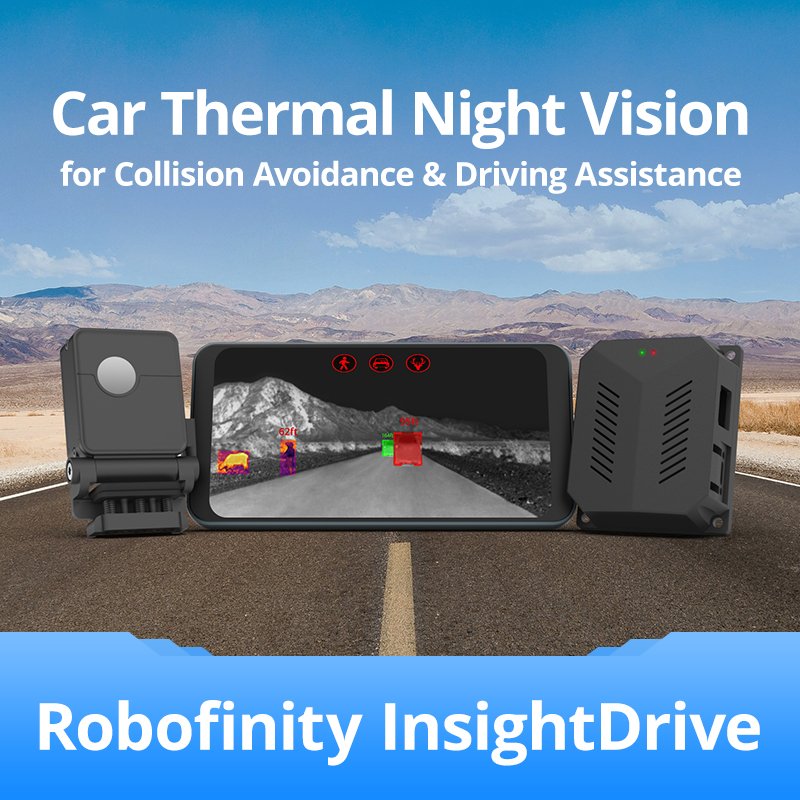
For drivers who face these dangers every night, there is a solution. The Robofinity Car Thermal Night Vision is like giving your truck superpowers. This is not a regular dash cam. It uses thermal imaging to see the heat signatures of objects. It works where your eyes and headlights fail. Let’s talk about what it does. It can see people, animals, and vehicles over 200 meters away. That is longer than two football fields. It gives you extra seconds to react. In truck driving, seconds mean everything. They are the difference between a close call and a crash. The built-in AI is smart. It can tell the difference between a person, a car, and a deer. It gives you clear audio warnings before a potential collision. This is a huge help when you are tired or visibility is poor.
Why This Matters for Every Professional Driver
The Robofinity camera is easy to install. You do not need to be a mechanic. It is designed for drivers. It works in complete darkness. It sees right through rain, snow, and light fog. This directly tackles some of the worst truck driving hazards. Think about it. An animal on a dark country road. A broken-down car with no lights in a storm. A pedestrian wearing dark clothes. These are nightmare scenarios. This technology helps turn those nightmares into manageable situations. It adds a crucial layer of safety. It protects you. It protects others on the road. It protects your livelihood. For anyone serious about a long and safe career in truck driving, tools like this are becoming essential. They help you manage the uncontrollable challenges of the road. They give you confidence when conditions are at their worst. And in the end, that is what every driver wants: to get home safely.